
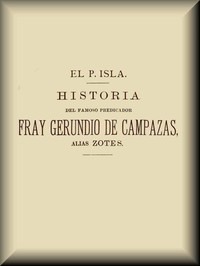
Historia del famoso predicador Fray Gerundio de Campazas, alias Zotes (1 de 2)
Read "Historia del famoso predicador Fray Gerundio de Campazas, alias Zotes (1 de 2)" Online
This book is available in the public domain. Start reading the digital edition below.
START READING FULL BOOKBook Preview
A short preview of the book’s content is shown below to give you an idea of its style and themes.
Published in 1758, Fray Gerundio is a classic Spanish satire that still feels surprisingly fresh. It's the story of a country boy who joins a religious order and, despite having little real wisdom or theological depth, becomes a wildly popular preacher. His secret? A ridiculous, over-the-top speaking style full of flowery language, strained metaphors, and theatrical delivery that impresses simple audiences but horrifies the educated.
The Story
We follow Gerundio from his humble beginnings in the village of Campazas (nicknamed "Zotes," meaning simpletons) as he enters monastic life. Instead of seeking genuine understanding, he dedicates himself to mastering every pompous oratorical trick in the book. He learns to twist scripture for dramatic effect, pile on meaningless classical references, and deliver sermons with more performance than substance. The plot charts his absurd rise to pulpit fame, exposing the gullibility of his admirers and the frustration of the few who see through the charade.
Why You Should Read It
This isn't an attack on faith; it's a timeless critique of style over substance. Author José Francisco de Isla uses Gerundio to lampoon the pretentiousness and hollow rhetoric he saw everywhere—in the church, in academia, in public life. The comedy comes from recognizing that type of person: the blowhard who loves the sound of their own voice more than the message. Reading it today, you'll laugh at how little some things have changed. The targets might be 18th-century preachers, but the spirit is that of a sharp modern parody.
Final Verdict
Perfect for readers who enjoy clever satire, historical comedy, or stories about fascinating failures. If you like the witty social observations of Jane Austen or the absurd characters of Dickens, you'll find a similar pleasure here, though with a distinctly Spanish flavor. Be prepared for some period-specific references, but the core joke—the emperor has no clothes, and he's giving a sermon about it—translates perfectly across the centuries.
This historical work is free of copyright protections. It is now common property for all to enjoy.
Robert Johnson
6 months agoUsed this for my thesis, incredibly useful.
Robert Gonzalez
2 months agoGreat reference material for my coursework.
Aiden Martinez
5 months agoI came across this while browsing and the pacing is just right, keeping you engaged. This story will stay with me.
Charles Robinson
8 months agoText is crisp, making it easy to focus.







Aiden Clark
1 year agoFrom the very first page, the character development leaves a lasting impact. Truly inspiring.