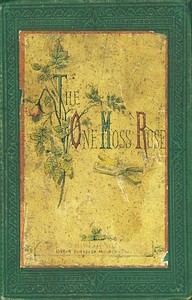
The One Moss-Rose by Philip Bennett Power
Read "The One Moss-Rose by Philip Bennett Power" Online
This book is available in the public domain. Start reading the digital edition below.
Book Preview
A short preview of the book’s content is shown below to give you an idea of its style and themes.
Okay, let’s talk about Philip Bennett Power’s ‘The One Moss-Rose’. This thing was first published way back in 1881, and it feels like a pressed flower you find in an old book – fragile and highly particular, but still holding its color.
The Story
The whole plot centres on one single Moss-Rose. It grows in the garden of an old, poor widow. This isn’t just any rose, though – everyone notices it because it looks so perfect, so intensely beautiful that it doesn’t quite belong with her dusty little cottage. She’s protective of this single blossom like it’s a piece of gold. Then, strangers start to visit. First, admiring neighbours, then richer, more powerful people from the town. And man, do they smell an opportunity. Suddenly, one rose gets tied up with ideas of rarity, value, sin, superstition, and maybe even gambling. The story follows the widow trying to hold on not just to a flower, but to what that flower means to her personally, while the world outside stomps closer. It’s short. I mean, very short, but Power packs a lot into a tiny space without any extra fluff.
Why You Should Read It
You know those books where the villain is a shouting monster or a kingdom? Right, this ain’t that. Here the villain is quieter: other people’s greed and the fact that value is never really set in stone. The old woman here is also wonderfully stubborn. Sure, she has those Victorians flaws (overly pious, probably), but a part of you vibes with how intensely she defends this little thing against salesmen and holy preachers. There’s a moment late in the book when the rose has fades the mood switches so quick you realize every choice matters. Also, it somehow feels very modern (the commentary on people wanting what you keep holding). My personal favourite part was actually the ending: avoid spoilers, but no, it doesn’t wrap up all neat like a serial – it just leaves you thinking ‘did she win by playing the game, or by changing his entire definition of winning?’ Honestly, thumbs up to Philip Bennett for that curtain close.
Final Verdict
I’d push this into the hands of: people who cannot stop sniffing thrift store runs – it’s got that same surprise finding beauty in dirt angles energy. Read it if you dig quiet Victorian short stories that don’t drag on longer than half Cup tea anyway, or you like moral dilemmas without always winning right. If you want shootouts or zombie roses – wrong shelf. But for reflecting something tough called ‘gratitude’ amid property ownership and faith tangles; pop it onto that autumnal lazy by window soup week readlist and prep ahead mentally.
The copyright for this book has expired, making it public property. You do not need permission to reproduce this work.